Parade de planètes sur l'Opéra de Sydney
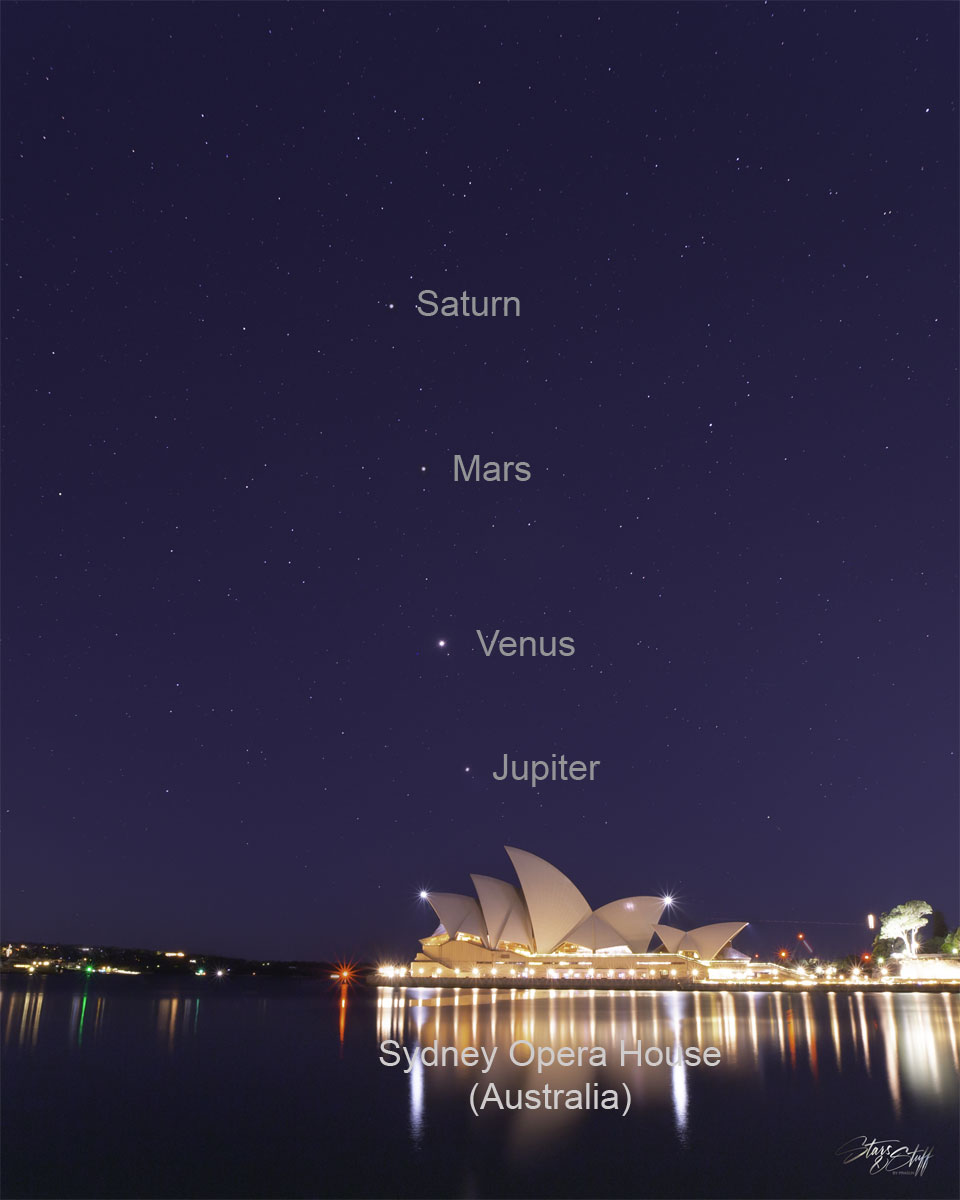
Levez les yeux vers le ciel cette semaine et observez une belle brochette de planètes. Juste après le coucher du soleil, en regardant vers l'ouest (principalement), les planètes Mercure, Vénus, Saturne et Jupiter seront toutes visibles à l'oeil nu simultanément. Si vous disposez d'un télescope, vous pourrez également observer les planètes Uranus et Neptune. En partant de l'horizon, l'alignement sera cette semaine le suivant : Vénus (la plus brillante), Mercure, Saturne, Neptune, Uranus et Jupiter (la deuxième plus brillante). Peu importe où vous vivez sur Terre, car ce défilé planétaire en début de soirée sera visible dans un ciel dégagé partout dans le monde. Les planètes sembleront presque alignées, car elles orbitent toutes autour du Soleil dans un plan presque identique : l'écliptique. Cette image montre un défilé planétaire similaire qui s'est produit en 2022, capturé au-dessus de l'Opéra de Sydney, dans le sud de l'Australie. Bien qu'elles soient visibles toute la semaine, les planètes seront plus facilement observables ensemble ce week-end.
L'image d'astronomie du jour (Astronomy Picture Of the Day - APOD)
Traduction réalisée par Didier Jamet
D'autres images d'astronomie...
19 janvier 2021
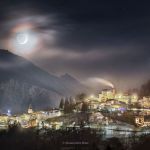
Couronne lunaire avec Jupiter et Saturne
Cet effet, appelé couronne lunaire, est dû à la diffraction de la lumière par les gouttelettes d'un nuage d'altitude si mince qu'il en est presque transparent.
14 novembre 2023
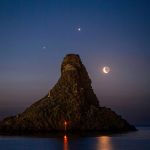
Le pic des trois planètes
Dans l'obscurité déclinante qui précède l'aube, un triangle semble se tenir en équilibre au sommet d'une formation rocheuse à la pointe sud de la Sicile.
Ailleurs sur le web
Cloud Fraction - NASA Science
In addition to making rain and snow, clouds can have a warming or cooling influence depending on their altitude, type, and when they form. These maps show what fraction of an area was cloudy each month.

science.nasa.gov
Facts About Earth - NASA Science
While Earth is only the fifth largest planet in the solar system, it is the only world in our solar system with liquid water on the surface. Just slightly larger than nearby Venus, Earth is the biggest of the four planets closest to the Sun, all of which are made of rock and metal. Earth […]
science.nasa.gov
Jupiter - NASA Science
Overview Jupiter is the fifth planet from our Sun and is, by far, the largest planet in the solar system – more than twice as massive as all the other planets combined. Jupiter’s stripes and swirls are actually cold, windy clouds of ammonia and water, floating in an atmosphere of hydrogen and helium. Jupiter’s iconic […]
science.nasa.gov
Mercury - NASA Science
Planet Mercury Overview Mercury—the smallest planet in our solar system and nearest to the Sun—is only slightly larger than Earth’s Moon. Its surface is covered in tens of thousands of impact craters. From the surface of Mercury, the Sun would appear more than three times as large as it does when viewed from Earth, and […]
science.nasa.gov
Neptune - NASA Science
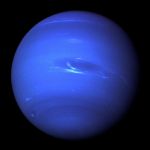
Neptune is the eighth and most distant planet from the Sun. It’s the fourth largest, and the first planet discovered with math.
science.nasa.gov
Saturn - NASA Science
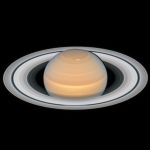
Planet Saturn Overview Saturn is the sixth planet from the Sun and the second largest planet in our solar system. Adorned with a dazzling system of icy rings, Saturn is unique among the planets. It is not the only planet to have rings, but none are as spectacular or as complex as Saturn’s. Like fellow gas giant […]
science.nasa.gov
Sun - NASA Science
Overview The Sun’s gravity holds the solar system together, keeping everything – from the biggest planets to the smallest particles of debris – in its orbit. The connection and interactions between the Sun and Earth drive the seasons, ocean currents, weather, climate, radiation belts and auroras. Though it is special to us, there are billions […]
science.nasa.gov
Uranus - NASA Science
Planet Uranus Overview Uranus is a very cold and windy planet. It is surrounded by faint rings, and more than two dozen small moons as it rotates at a nearly 90-degree angle from the plane of its orbit. This unique tilt makes Uranus appear to spin on its side. Uranus is blue-green in color due […]
science.nasa.gov
Venus - NASA Science
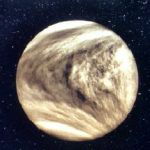
Planet Venus Overview Venus is a cloud-swaddled planet named for a love goddess, and often called Earth’s twin. But pull up a bit closer, and Venus turns hellish. Our nearest planetary neighbor, the second planet from the Sun, has a surface hot enough to melt lead. The atmosphere is so thick that, from the surface, […]
science.nasa.gov

 youtu.be
 en.wikipedia.org
  www.universetoday.com